Wire category
WE BUY SURPLUS XHHW AND XHHW-2 WIRE
XHHW is the quiet workhorse of feeder and service work. Cross-linked polyethylene insulation does the same job as PVC in a thinner wall, so the same ampacity fits a smaller conduit. When a plant finishes a service upgrade and has reels left over, that is usually XHHW-2 sitting on the rack with the tag still attached.
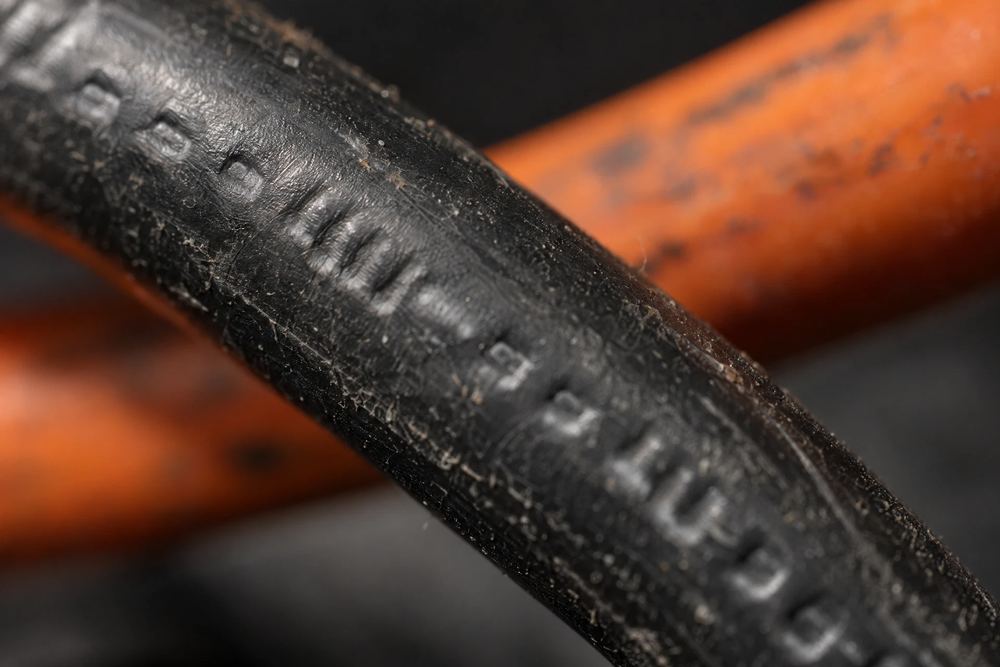
XHHW / XHHW-2 Wire · North Dakota
Surplus wire, reviewed from photosIt comes in copper and aluminum, #14 through 1000 kcmil, in 600 volt and 1000 volt constructions, and often carries a second set of markings such as RHW-2 or USE-2. Those extra markings are the reason one reel can serve an underground run and a wet gutter. Send the print and we will review what the reel actually is.
What we buy in this category
- Copper XHHW-2 from #14 through 1000 kcmil
- Aluminum XHHW-2, compact stranded 1/0 through 750 kcmil
- Reels dual marked RHW-2 or USE-2
- 1000 volt rated XHHW-2 for industrial feeders
- Single rated XHHW from older stock
- Sunlight resistant constructions with the SR marking
- Reels with the factory tag and footage print
- Partial reels and shop cut lengths
Thermoset insulation, thinner wall, smaller conduit
XHHW insulation is cross-linked polyethylene, a thermoset. It does not melt and flow the way a thermoplastic does when it is overheated, and it stands up to moisture and abrasion better than plain PVC. The wall is thinner than THHN on the same conductor, which is why contractors specify it on a crowded pull. The trade off is stiffness: it does not bend as easily in cold weather. Ampacity still comes from the same tables, adjusted for ambient temperature and conduit fill.
That combination is why feeders, services and underground conduit are its natural home. A 500 kcmil feed pulled through a long run of conduit is easier with XHHW than with the same size in PVC insulation, and the ampacity is the same or better. What changes is the pulling tension and the bend radius, and crews notice both on a cold morning. The thin wall is an advantage until the jacket is nicked, so the cut ends deserve a look.
Copper and aluminum, and the second legend line
Both metals are common. Aluminum XHHW-2 is usually AA-8000 series alloy, compact stranded, and used in the larger feeder sizes where weight matters. Copper is used where the termination is existing or the specification calls for it. The alloy matters at the lug, so the print and the reel tag are worth photographing rather than summarizing. Say which metal it is before anything else, because the two are reviewed on completely different terms.
The second line of print is where things get interesting. XHHW-2 alone is a 90°C wet and dry rating. Add RHW-2 and the cable can go into a raceway in wet locations. Add USE-2 and it can be installed direct buried. Not every reel carries every marking, and a reel marked XHHW only is not the same product as one marked XHHW-2/USE-2. If the print is worn at one spot, walk the jacket until you find a clean section and photograph there.
- XHHW, 75°C wet, on older reels
- XHHW-2 in copper
- XHHW-2 in AA-8000 aluminum
- Reels dual marked with RHW-2
- Reels dual marked with USE-2 for direct burial
- 1000 volt constructions for industrial work
Wet locations, sunlight and cold bends
Most XHHW-2 is marked sunlight resistant, which matters on an outdoor rack or a service riser. A cold bend rating around minus 40°C is common on the data sheet, and in this climate that number is not marketing. A reel that was bent hard at zero degrees may have insulation cracks on the outside of the bend, so look before you load it. Sunlight resistance is a marking, not a promise: a reel left in the open for years still looks tired.
Storage shows. Reels that sat in a yard get a dull, chalky surface and dirt packed between the layers; reels kept indoors look nearly new. Neither one is a rejection, but both change the conversation. In North Dakota a lot of XHHW-2 comes back from utility and oilfield service work in the west, where feeders get pulled in the cold and the leftovers come back stiff. Bring the tag along even if the reel is dirty, since a readable footage number saves a measuring job.
What to send with your request
- A clear photo of the full jacket print line
- The reel tag with the footage
- Copper or aluminum, and the size
- Stranding, compact if the tag states it
- Every marking on the print, including RHW-2 or USE-2
- Reel count and whether each is full or partial
- Whether the reels were stored indoors or outdoors
- Any visible cracking at a bend or a cut end
Not sure it fits? Send it anyway. If the construction is something else entirely, we will say so and point you at the right category. Condition and partial footage do not disqualify a submission — they just become part of the conversation.
Request a purchase quote
Send the wire details. Get a real conversation.
Photos and a few specs are enough to start. We will come back with questions or pricing, then agree on pickup or shipping.
Common questions
XHHW / XHHW-2 Wire questions
Can XHHW be used where THHN is specified?
Often yes, because XHHW-2 is a 90°C wet and dry conductor with a smaller diameter for the same size. The installation still has to meet the project specification and the local code, so the reel print and the drawings decide it.
Is aluminum XHHW-2 the same as copper?
No. It needs a larger size for the same ampacity and a connector listed for aluminum, and the weight is far lower. The reel tag will say AL or CU, so state which one you have.
Why does the reel have two or three legend lines?
Many reels are dual or triple marked, for example XHHW-2 with RHW-2 and USE-2. Each marking is a separate listing for a different installation method. Photograph the whole line of print so all of them are readable.
Reels sitting in the yard?
Send the tag and a photo of the jacket legend. We will tell you what we need to make an offer.