Wire category
WE BUY SURPLUS LOW VOLTAGE AND COMMUNICATION CABLE
Low voltage cable is the largest count and the lightest weight material on most shelves. Boxes of Cat6, partial spools of fire alarm cable, a coil of coax left from a camera install, a spool of 18-2 thermostat wire: small on their own, worth a conversation together. We buy it in lots, boxed and labeled where possible. A single box is not worth a pickup, but a pallet of boxes from a finished job usually is.
Low Voltage and Communication Cable · North Dakota
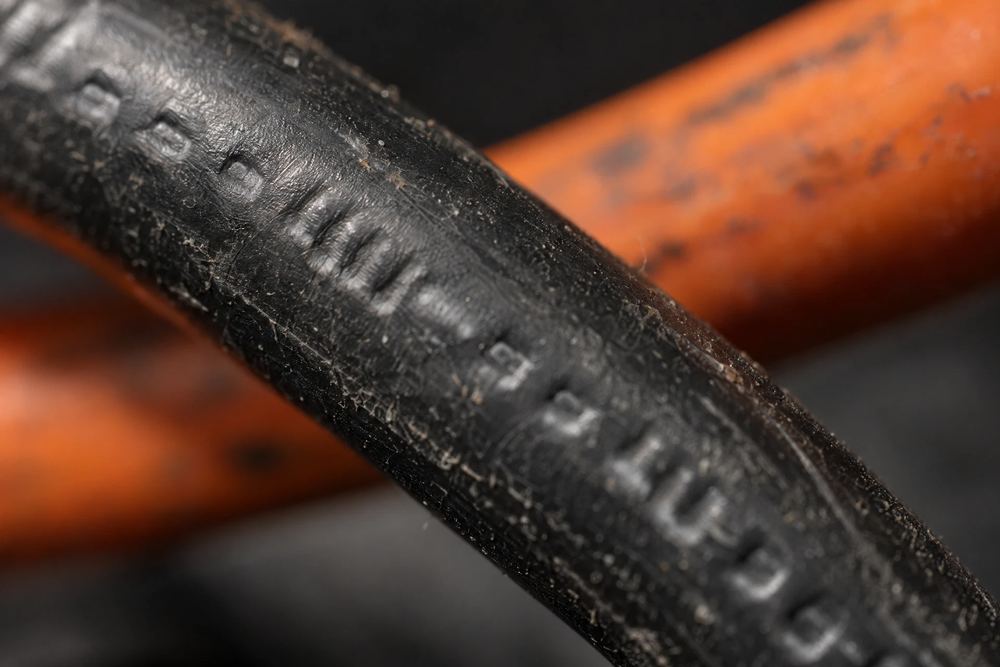
Surplus wire, reviewed from photosThe important question is not the category, it is the rating. Plenum, riser and general purpose versions of the same cable are three different products with three different permitted uses. The print on the jacket says which one you have, and that print is the first thing we ask for in a photo. Rating, category and pair count are the three facts that matter, and all three sit on the same line.
What we buy in this category
- Cat5e, Cat6 and Cat6A in boxes and partial boxes
- Shielded twisted pair, F/UTP and S/FTP
- RG6 and RG11 coax, including quad shield
- Fire alarm cable in FPL, FPLR and FPLP
- CL2 and CL3 cable for class 2 and 3 circuits
- Security and access control cable like 22-4 and 18-2
- Plenum rated cable of any of the above
- Partial spools and cable left on a pull
CMP, CMR and CM decide where it can go
Plenum rated cable is marked CMP and has passed the NFPA 262 Steiner tunnel test for smoke and flame spread. Riser cable is CMR. General purpose is CM. The physical difference is often a fluorinated polymer jacket on the plenum version and a PVC jacket on the others, and the price gap is wide enough that the rating carries most of the value. A plenum jacket feels stiffer and slicker than PVC, which is a useful clue in the hand but never a substitute for the print.
Fire alarm cable follows its own ladder: FPL for general purpose, FPLR for risers, FPLP for plenums, under Article 760. It is usually red, twisted and often shielded, in 14, 16 and 18 AWG. Class 2 and Class 3 cables carry CL2 and CL3 markings under Article 725. None of these substitutes for another, whatever the jacket looks like. Fire alarm cable in a plenum space has to be FPLP, and a red jacket alone says nothing about the rating.
Pairs, AWG and shielding inside the jacket
Cat5e and Cat6 are 24 AWG, Cat6A is usually 23 AWG, all 100 ohm, solid bare copper for permanent runs. Shielded versions add a foil wrap and a drain wire and are marked F/UTP or S/FTP. Coax is 75 ohm, RG6 or RG11, with two, three or four shields; the quad shield version is common on camera and satellite work. Cat6A shielded is noticeably heavier than Cat6, which is one way to tell them apart on a shelf.
Pair counts matter too. A 25 pair Cat3 is a telephone cable, not a data cable, and it is worth describing as what it is. Security and access control cable is usually 22-4 or 18-2, unshielded, and often sits in the same box as the alarm cable. Sort by print and pair count before counting boxes, because the count is what gets quoted. A partial box of 25 pair cable is still a substantial lot, and pair counts that high rarely turn up twice in one year.
- Cat6 in a sealed 1000 ft box
- Cat5e from an older installation
- Cat6A shielded with a drain wire
- RG6 quad shield on a 1000 ft spool
- Red FPLR fire alarm cable in 16-2
- 18-2 and 22-4 security cable in partial boxes
Boxes, spools and the cable left on a pull
Most of this arrives in 500 or 1000 foot boxes, 1000 foot spools, or partial lengths left on a pull. A box with 300 feet left is normal and easy to describe. A box with the cable pulled out and rewound by hand is harder, because the twist and the bend radius have been compromised. Say which one it is. Cable pulled and then pulled back out often has a bend set every few feet, and that is worth a photo.
Keep the boxes. The carton carries the print, the footage and the rating, and it makes the load stackable. Loose coils go in a tote and ship LTL with the rest. Commercial and institutional work in North Dakota, from school renovations to clinic build outs, is where most of this material comes from, usually a few boxes at a time. Keep like with like on the pallet: data cable in one stack, alarm cable in another, coax in a third.
What to send with your request
- The jacket print, including CMP, CMR, CM or FPL
- Category and pair count, for example Cat6 4 pair
- Box or spool footage and the remaining length
- Whether the carton is sealed, opened or missing
- For coax, the type and the shield count
- For fire alarm cable, the AWG and conductor count
- Photos of any crushed boxes or kinked cable
- Total box and spool count by type
Not sure it fits? Send it anyway. If the construction is something else entirely, we will say so and point you at the right category. Condition and partial footage do not disqualify a submission — they just become part of the conversation.
Request a purchase quote
Send the wire details. Get a real conversation.
Photos and a few specs are enough to start. We will come back with questions or pricing, then agree on pickup or shipping.
Common questions
Low Voltage and Communication Cable questions
What is the difference between CMP and CMR?
CMP is plenum rated and has passed the Steiner tunnel test for smoke and flame spread, which allows it in an air handling space. CMR is riser rated for vertical runs between floors. Both are marked on the jacket.
Is Cat5e still worth reviewing?
Yes. It is still installed for voice and lower speed data, and it turns up in quantity when a building is rewired. The rating and the remaining footage matter more than the category.
Do you buy partial boxes and loose coils?
Yes, if the type and the approximate length are stated. A partial box with the print readable is straightforward. Loose cable without a label needs a photo so the jacket print can be identified.
Reels sitting in the yard?
Send the tag and a photo of the jacket legend. We will tell you what we need to make an offer.